
Filling Pool with Water Truck vs. Hose: Pros and Cons of Each
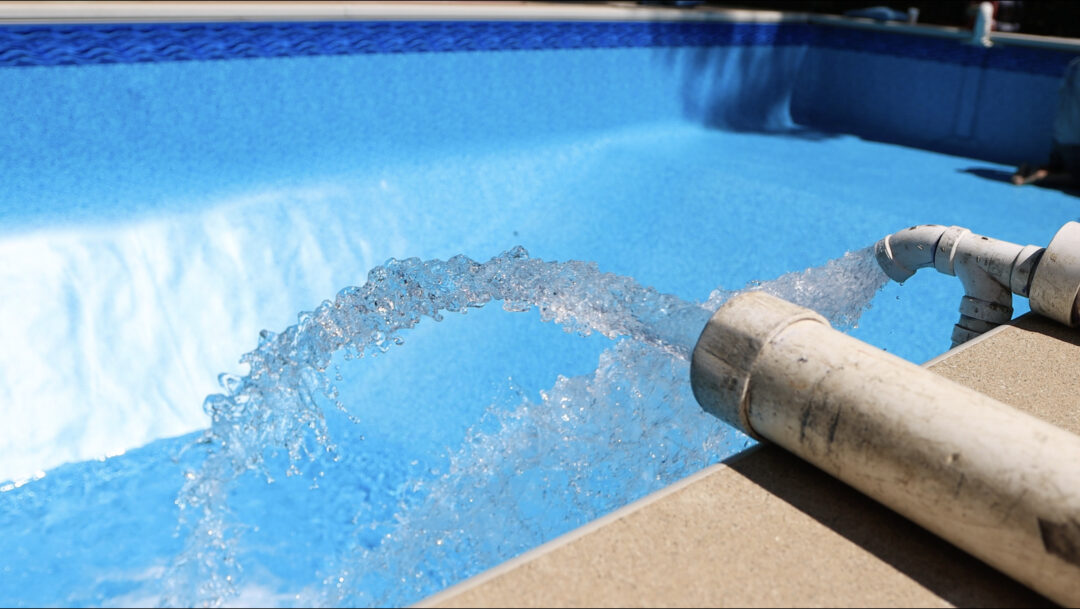
A pool project is not complete until the entire thing is filled with water. I mean, a hole in the ground is cool, but not good for swimming. Whether you just finished a brand new pool installation, replaced an old liner, or had to drain your pool for one reason or another, you have an important decision to make: should you fill up your pool water with your garden hose or should you hire a water truck?
Whether you have an above ground pool or inground pool–concrete, vinyl liner, or fiberglass–filling up your new pool is an absolute necessity, and these are your two best options. At Royal Pools G2 Landscaping, we leave this choice up to you, although we do work with water truck companies for homeowners interested in filling their pool with a water truck.
In this guide, we’ll compare using a water truck to fill a pool versus filling with a standard hose to help you decide which option makes the most sense for your situation.
Filling Your Pool with a Garden Hose
Using your own garden hose is no-brainer for some pool owners. The water is already available at your home, which is very convenient.
Pros of Filling with a Hose
Lower Upfront Cost
Using your own water means you won’t have to pay for multiple water deliveries. If you’re connected to your town’s water supply, the cost will be added to your water bill.
Convenient
Using your very own water is super convenient. You can begin filling the water at your own leisure and do not have to coordinate with a water truck or wait for your appointment. Fiberglass inground pool construction, however, requires water trucks to fill the pool water as the backfill is being completed.
Perfect For Small Refills
Garden hoses are your best option for replacing water lost through evaporation or splash-out throughout the swimming season.
Cons of Filling with a Hose
It Takes a Long Time
The biggest drawback to filling your pool with a hose is the time it takes. The average garden hose delivers roughly 9-17 gallons of water per minute.
That means that pools around 15,000 – 25,000 gallons can take anywhere from a day and a half to three days to fill.
Higher Utility Costs
Although you avoid paying for delivery and multiple water truckloads, your municipal water bill may increase significantly depending on your local water rates, as well as how much water is needed to fill the pool.
Water Quality Can Vary
Your home’s pool water source may be acidic or alkaline, and may contain metals, minerals, or other substances that affect your pool water chemistry. You will need to balance your pool water chemistry after the water is filled and before you swim.
Filling Your Pool with a Water Truck
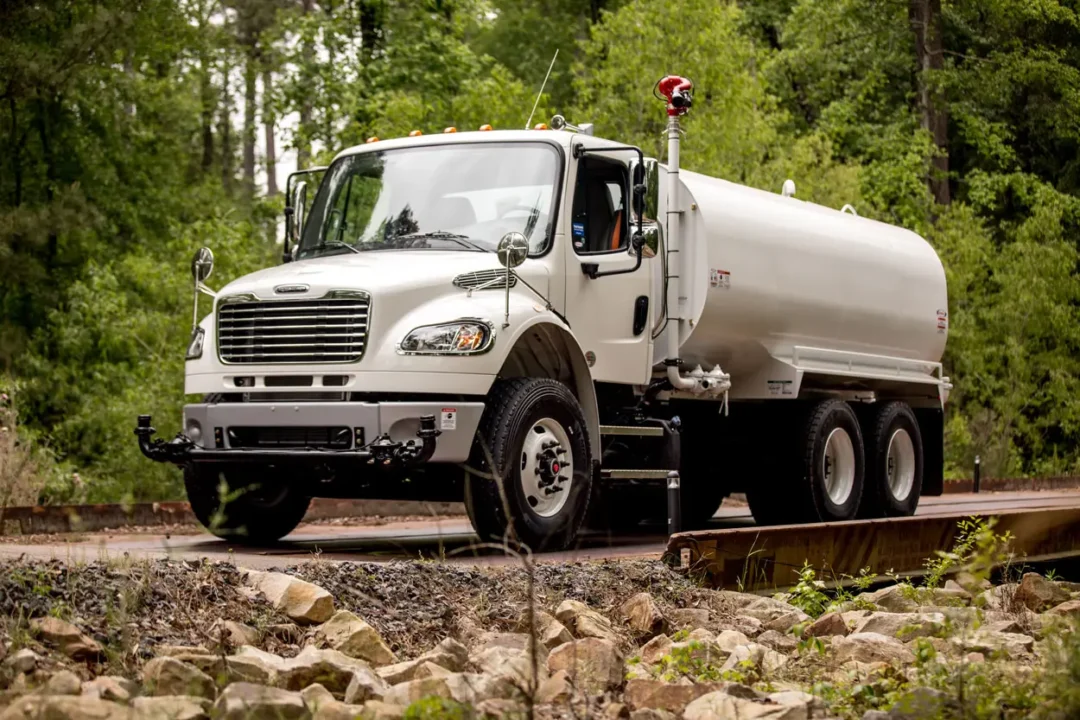
If you’re looking for a faster method to fill your pool, consider hiring a water truck to fill the pool. Professional water delivery companies transport thousands of gallons at a time using tanker trucks specialized for bulk water delivery.
Pros of Pool Water Delivery
Much Faster
The biggest pro is the time saved. Water trucks can fill your pool with water in a few hours instead of a few days. Instead of monitoring hoses for days, your pool can often be filled in a single scheduled visit.
This is especially beneficial for large inground pools and fiberglass pools, which require water truck-fill due to their specialized backfill.
High-Quality Water
Reputable pool water delivery companies usually deliver treated, clean water that’s suitable for swimming pools. Regardless, it is still vital that you test and balance your pool water after it is filled, before you swim.
Less Pressure on Your Well
This is for homeowners on wells. If you are on a private well, filling a pool with a hose can put serious strain on your well’s pump and water system. Hiring a water truck will avoid overworking your well and pump.
Cons of Pool Water Delivery
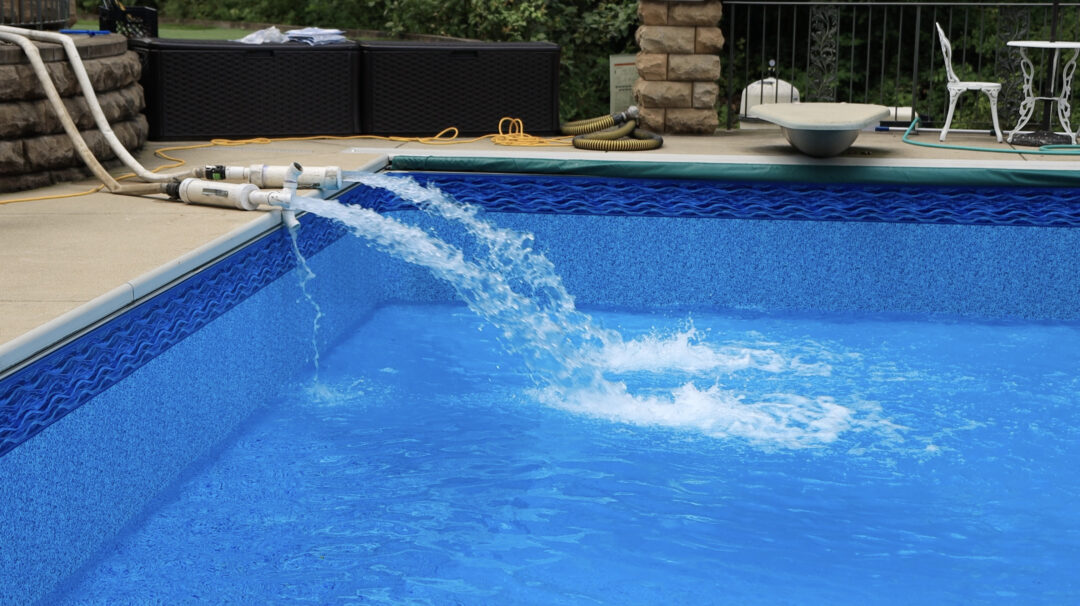
Higher Initial Cost
Using a water truck will mean you spend more money upfront to fill your pool.
For most homeowners, the convenience and time savings often outweigh the added expense, especially for big pools.
Scheduling Required
While you can add a garden hose whenever you want, with a water truck, you’re at the mercy of the water delivery company’s schedule. During spring and summer, it’s recommended to book your water delivery ahead of time to ensure availability.
Which Option Is Best?
The best option depends on your pool and the scope of your project.
A Garden Hose May Be Best If:
- Your pool is relatively small.
- You have inexpensive municipal water.
- You’re not in a rush to fill the pool.
- You’re only filling up a small amount of water.
A Water Truck May Be Best If:
- You have a large pool.
- You’re installing a fiberglass pool.
- You want to swim as soon as possible.
- Your home uses a private well.
- You want to avoid running hoses for multiple days.
When looking for companies or places that deliver water for pools, be sure to research reputable, local companies with good reviews.
Final Thoughts
There you have it, folks. Now that you know the difference between filling up your pool with a hose vs. a water truck, are you ready to decide?
Garden hoses offer flexibility and lower upfront costs, while a water truck provides superior speed and convenience, at a higher price. Unless it is a new fiberglass pool installation, we cannot choose for you.
At Royal Pools G2 Landscaping, we’re happy to help you with filling your pool water, starting up your pool pump, and ongoing maintenance. Whether you’re installing a brand new pool or opening up your pool for the season, our team is there to ensure your pool stays clean, clear, and balanced all season long.
Curious about pool maintenance? Check out the articles below. Dive into our learning hub at the top of our page for more educational content on all things pools, concrete, and landscaping. Thanks for reading. Have a great day!
DIY Pool Maintenance vs. Professional Pool Service: Which Is Worth It?
7 Common Inground Pool Maintenance Mistakes to Avoid
Northwest Indiana Inground Pool Water Chemistry Checklist
Written by Logan Edgemon