
Why Is Pool Equipment Repair Service Important?

How does water flow through an inground swimming pool? How does a pool stay clear and clean? The answer is *drumroll* pool equipment!
Your pool equipment is the respiratory system and heart of your swimming pool. When something stops working, whether it’s the pool pump, pool filter, or pool heater (if you have one), your entire system can quickly become inefficient or damaged, possibly making the pool unsafe to swim in.
For homeowners searching for “reliable pool service near me”, do you regularly maintain and inspect your pool equipment? Monitoring your pool equipment pad – pump, filter, and heater – is the best way to anticipate potential repairs, but you must know what to look for.
Regular pool equipment maintenance helps protect your investment, extend the life of your equipment, and keep your inground pool clean, balanced, and always swim-ready.
At Royal Pools G2 Landscaping, in addition to building inground fiberglass and vinyl liner pools (click on the links for detailed guides on how to maintain both pool types), we offer equipment repair service to pool owners throughout Northwest Indiana and South Chicagoland. We’ve repaired multiple degraded pools and unkept equipment pads over the years. Here’s why professional pool equipment repair is so important, and what you should look for.
Pool Equipment Keeps Your Inground Pool Healthy
Every inground pool equipment pad relies on several key components working together:
- Pool pump – circulates water in and out of the pool
- Pool filter – catches and removes dirt, debris, and contaminants
- Pool heater – maintains a desired water temperature (Optional)
- Plumbing and valves – keeps the system connected and running while controling flow and pressure
If any one of these components fails, it affects the entire system. Poor circulation or filtration can quickly lead to:
- Cloudy or green water
- Algae growth
- Increased chemical use
- Surface staining or liner damage
- Equipment strain and premature failure
Regular pool maintenance, like vacuuming, brushing, netting, and chemically balancing the pool, is essential to the health of the pool and the pool equipment. You should also be monitoring your equipment pad to ensure everything is running efficiently. But what should you look for?
Small Problems Become Expensive Repairs
Regular maintenance is something most pool owners can handle. Some might even be able to diagnose certain problems. Finding and fixing said problems, however, is not so easy.
One of the biggest reasons to schedule professional repair service is to catch problems early.
Common warning signs include:
Pool Pump Issues
- Loud noises or grinding sounds
- Weak water flow
- Air bubbles in the system
- Pump not turning on
- Pump leaks
A failing pool pump forces the system to work overtime. It can lead to motor burnout if ignored. New motors are not cheap.
Pool Filter Problems
- High or low pressure readings
- Dirty or cloudy water
- Reduced circulation
- Leaks around the filter tank
- Sending filter media back into the pool
A malfunctioning pool filter reduces water quality, increases chemical demand, and nullifies the work being done by the pump.
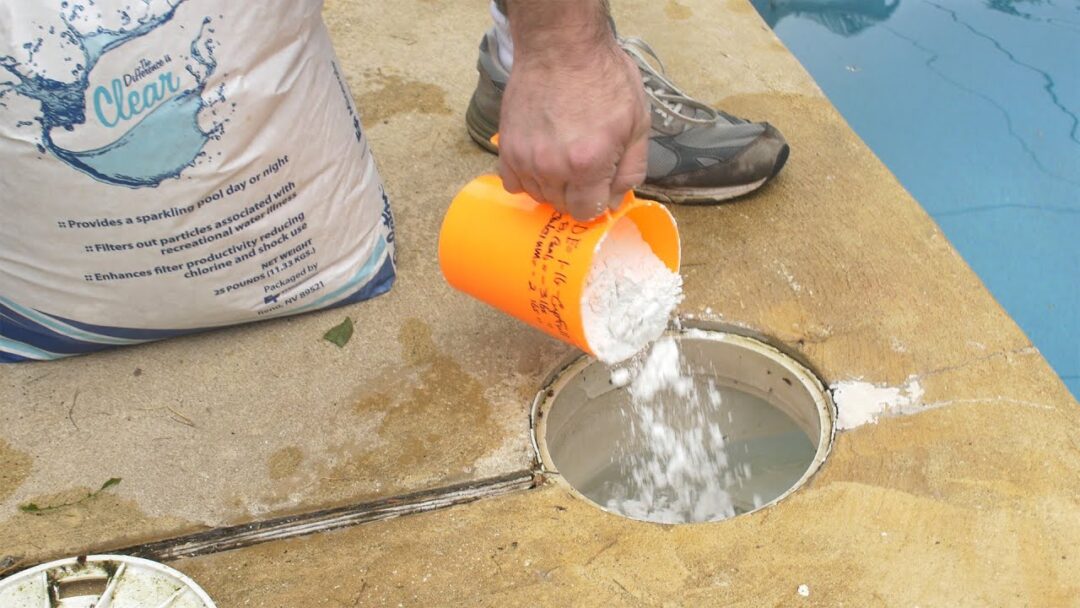
If you have a cartridge or diatomaceous earth filter, we recommend taking apart and deep cleaning the filter at least once a month, in addition to backwashing the filter after vacuuming or when the pressure rises 8-10 PSI above normal. D.E. filters also require new D.E. after every backwash and deep clean. Sand filters also require a backwash at least once a month, or after vacuuming, and whenever the PS rises 8-10 PSI above normal.
Pool filter cartridges and D.E. grids both need to be replaced every 3-5 years. Additionally, filter sand needs to be replaced every 3-5 years as well.
Pool Heater Malfunctions
- Heater not turning on
- Water not reaching the set temperature
- Error codes or shutdowns
- Increased energy usage
- Heater leaks
A faulty pool heater can shorten your swimming season and lead to costly replacements if not repaired, especially if you rely on your heater to swim.
Midwest Weather Makes Equipment Maintenance Even More Important
In Northwest Indiana and South Chicagoland, seasonal weather creates additional stress on pool systems.
Freeze-thaw cycles, temperature swings, and long winter shutdowns can cause:
- Cracked plumbing or fittings
- Pump seal damage
If you have your pool opened by a pool service company, that would be the perfect time to ask them to inspect your equipment for any winter damage. Professional inspection at the start of each season helps prevent costly summer surprises.
Equipment Efficiency Saves Money
When pool equipment isn’t working properly, operating costs increase.
Problems like restricted flow or failing motors can cause:
- Higher electricity bills
- Increased chemical use
- Longer run times
- Premature equipment replacement
Routine inspection of your pump and filter will ensure they are running efficiently and help extend the lifespan of your equipment.
When to Call a Pool Service/Repair Company?
Contact a professional if you notice:
- The pump or motor is making an unusual noise
- Poor circulation or low pressure
- Consistent high or low pressure in the pool filter
- Cloudy water despite balanced water chemistry
- Heater not working or maintaining temperature
- Water leaks around equipment
- Electrical or automation issues
Finding and working with a reputable pool service company in your area ensures a quick response and accurate diagnosis.
The Value of Local Experience
Local conditions matter. We should know. We’re close enough to the Windy City you might as well call us the Windy Region. A local pool service provider understands:
- Your area’s weather challenges
- Seasonal opening and closing needs
- Local water chemistry conditions
- Common equipment issues in older inground pools
Working with a local contractor means faster service, better recommendations, and long-term support.
Conclusion
Your pool pump, filter, and heater all play a critical role in keeping your inground pool clean, efficient, and enjoyable. Ignoring small equipment problems can lead to higher costs, poor water quality, and major repairs. The combined force of your pool equipment is greater than the sum of its parts. They should be cared for accordingly.
Regular maintenance and timely repair pool service help protect your investment and ensure your pool stays ready for the season.
If you’re looking for dependable pool service near me in Northwest Indiana or South Chicagoland, Royal Pools G2 Landscaping provides expert equipment repair, seasonal service, and ongoing support for inground pool owners. Are you curious about the cost of a heater? Perhaps you’re considering upgrading to a saltwater pool. If so, check out the articles below. Feel free to check out our learning hub at the top of our page for more educational content on all things pools, concrete, landscaping, and outdoor living. Thank you for reading, have a great day!
How Much Does A Pool Heater Cost?
What Is the Cost Of A Salt Chlorine Generator?
Written by Logan Edgemon
If something on your pool has stopped working, our pool service and repair crews cover pumps, heaters, filters and leaks.