
How Long Do Vinyl Pool Liners Last in the Midwest?
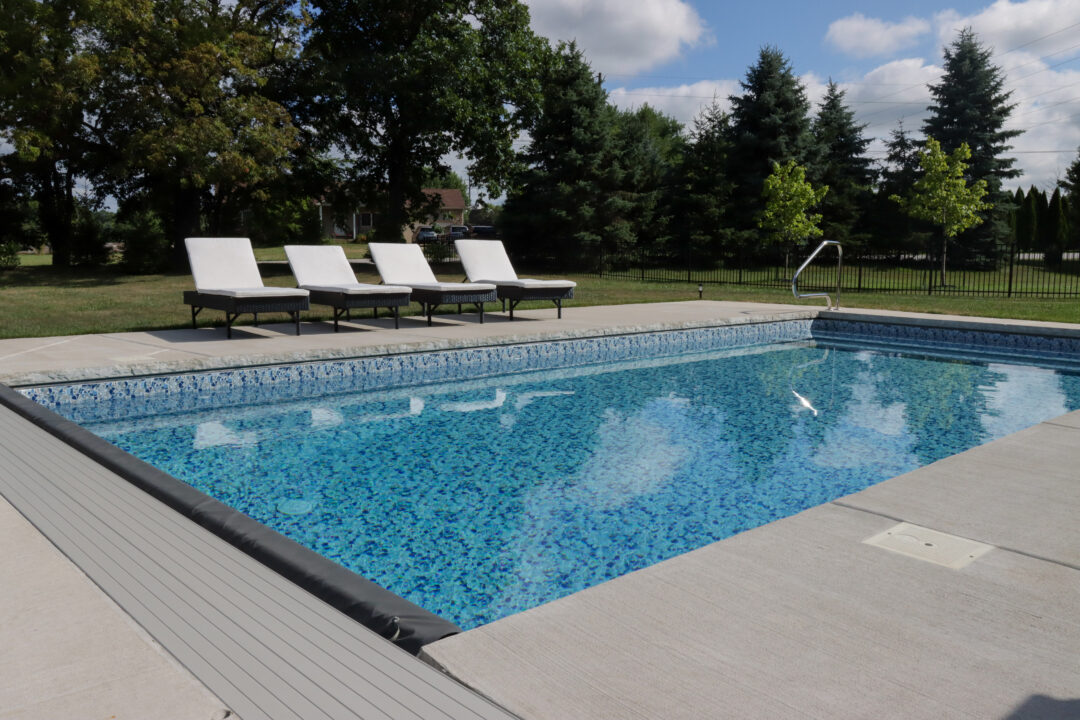
If you’re thinking about purchasing an inground swimming pool, ask yourself: What are my swimming wants and needs? Determining these will help you figure out which pool is right for you.
The three types of inground pools are: vinyl liner pools, concrete/gunite pools, and fiberglass pools. Odds are, if you clicked on this article, you’re thinking about a vinyl liner pool.
If you’ve ever swam in or been around a vinyl liner pool, you might have noticed the liner color looked a little faded. Perhaps there were wrinkles on the floor. This begs the question: how long does a vinyl liner actually last?
Royal Pools G2 Landscaping has installed inground pools throughout Northwest Indiana and South Chicagoland for over 25 years now. Hundreds of them have been vinyl liner pools. For this article, we’ll discuss vinyl liner lifespans specifically here in the Midwest.
We’ll also discuss what factors affect the lifespan of a liner, signs that your liner needs to be replaced, and what you can do to extend the lifespan of your liner. Let’s dive in.
How Long Do Vinyl Liner Pools Last?
A properly installed and maintained vinyl liner pool can last decades. We’re referring to the structure, the walls, the floor, and the equipment. We’ve seen steel-wall vinyl liner pools last up to 35 years or more.
With all that being said, the actual vinyl liner itself will not last that long.
What Is the Average Lifespan of a Vinyl Pool Liner?
- Average: 7 – 10 years
- With premium maintenance and upkeep: up to 12 years
- With minimal or poor upkeep: 5 years
Think of a vinyl liner as a water barrier between the pool water and the actual pool structure. It is both natural and normal for a vinyl liner to start showing signs of deterioration after a few years of use, even if you’ve always maintained perfect water chemistry and consistent liner upkeep.
Why Vinyl Pool Liners Wear Out Faster in the Midwest
If you live somewhere where the seasons change, your pool experiences more stress than pools in year-round warm climates.
1. Freeze-Thaw Cycles
Winter temperatures can cause the ground to expand and contract. This movement can affect the vermiculite base beneath the liner and lead to:
- Wrinkles
- Shifting
- Surface imperfections
Over time, this increases wear on the liner.
2. Seasonal Openings and Closings
Unlike year-round pools, Midwest inground pools are opened and closed each season. Improper winterization or opening can:
- Stress the liner
- Cause water chemistry imbalances
- Lead to early deterioration
Professional pool service helps reduce these risks.
3. Sun Exposure and UV Damage
During summer, strong sunlight breaks down the liner material over time. UV exposure is one of the leading causes of:
- Fading
- Brittleness
- Cracking
4. Water Chemistry Issues
Improper pool maintenance is one of the fastest ways to shorten the life of a liner.
Common problems include:
- High chlorine levels (bleaching the liner)
- Low pH (causing deterioration)
- High calcium (leading to scaling)
Consistent water balance is critical for long-term durability.
Signs You Need a Pool Liner Replacement
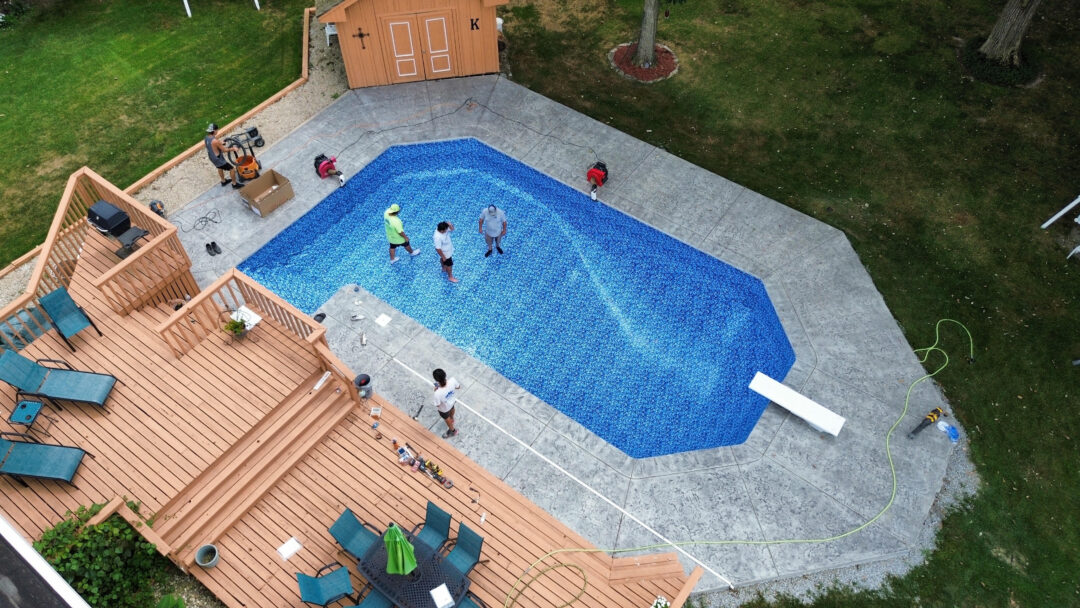
“How am I supposed to know when it’s time to replace my liner?” Great question. Homeowners usually contact us when they notice:
1. Fading or Bleaching
Improper chemical maintenance, UV damage, and age cause patterns to fade or wash out.
2. Rips, Tears, or Holes
Small tears can lead to major leaks if ignored.
3. Liner Wrinkles
Caused by water chemistry imbalance, groundwater pressure, liner age, or an improperly measured liner.
4. Water Loss or Higher Bills
If you’re refilling your pool weekly, you may have a liner or plumbing leak.
5. Liner Pulling Away From Coping
A sign of liner shrinkage or age-related elasticity loss.
6. Stains or Discoloration
Wrinkling, chemical imbalance, and UV exposure can lead to staining over time.
What Affects Pool Liner Replacement Cost?
One of the most common questions homeowners ask is about pool liner replacement cost.
While pricing varies, several factors influence the total cost:
Pool Size and Shape
Larger or more complex pools require more material and labor.
Liner Pattern and Thickness
Higher-end patterns and thicker liners typically cost more than thinner liners and simpler patterns.
Condition of the Pool Base
If the vermiculite base needs repair, it will add to the cost.
Additional Repairs
Plumbing, fittings, or wall repairs may be required during replacement.
Typical Pool Liner Replacement Cost Range
In the Midwest, most homeowners can expect:
$5,000 – $8,000+
RPG2 recommends getting a professional inspection from a local pool service company. You can try measuring your liner yourself, but a professional pool service company is the best way to get your liner’s measurements and determine a cost.
How to Extend the Life of Your Vinyl Liner Pool
A vinyl liner won’t last forever. You can, however, take steps that will help you get the most out of your liner.
1. Maintain Proper Water Chemistry
Weekly testing and correct water balancing prevent damage from improper chemistry.
2. Keep the Pool Clean
Always remove any debris from the pool to prevent buildup or staining.
3. Maintain Proper Water Levels
Keep your water level at or close to mid-skimmer at all times.
4. Schedule Regular Pool Service
If you notice discoloration, wrinkles, water loss, or staining, it is recommended to have a professional pool service company diagnose and try to fix the issue.
5. Use a Pool Cover
Pool covers keep debris out and protect the pool from UV damage. For maximum protection, consider an automatic swimming pool cover.
When to Search “Pool Liner Replacement Near Me”
Timing your liner replacement is important. Waiting too long can lead to:
- Structural damage
- Water loss
- More expensive repairs
Start planning now if your liner is older than eight years old and/or showing signs of degradation.
Searching for pool liner replacement near me early allows you to:
- Compare options
- Schedule during peak season
- Avoid emergency replacements
Conclusion
There you have it, folks. Now you know: a vinyl liner pool structure will last for years, but the liner itself will need to be replaced every 7-10 years.
For some pool owners, this isn’t necessarily a bad thing. Think of it this way: every 7-10 years, your liner gets a facelift, and thus, your backyard gets a brand new look. This aesthetic versatility is considered a major plus by many vinyl liner pool owners.
If you notice signs of wear and tear earlier than expected, assess your water chemistry maintenance and consider hiring a pool service company to help get your vinyl liner back in shape. For more information about vinyl liner pools, check out the articles below. Dive into our learning hub for more educational content on all things pools and backyards. Thanks for reading, have a great day!
Vinyl Liner Inground Pool Maintenance: How To Master Your Pool
Vinyl Liner Inground Pools: Pros and Cons
5 Unique Inground Vinyl Liner Pool Patterns
Written by Logan Edgemon
If any of this sounds like your pool, our vinyl liner replacement page walks through the process and the cost range.