
Unique Backyard Design Across Northwest Indiana and South Chicagoland
When it comes to designing your backyard in Northwest Indiana, there's a load of great options to choose from. The first step is to think about how you want to enjoy your outdoor space.
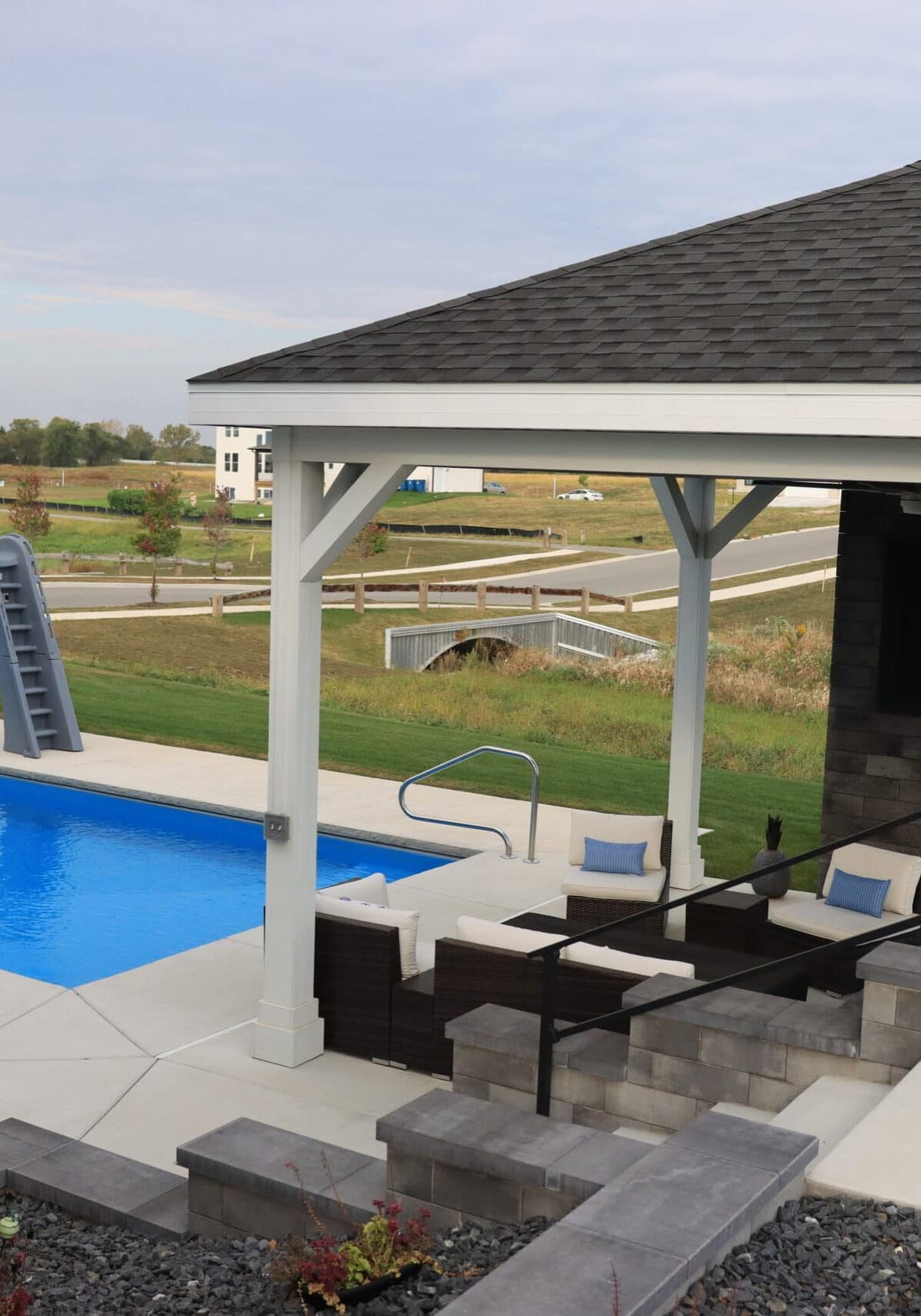
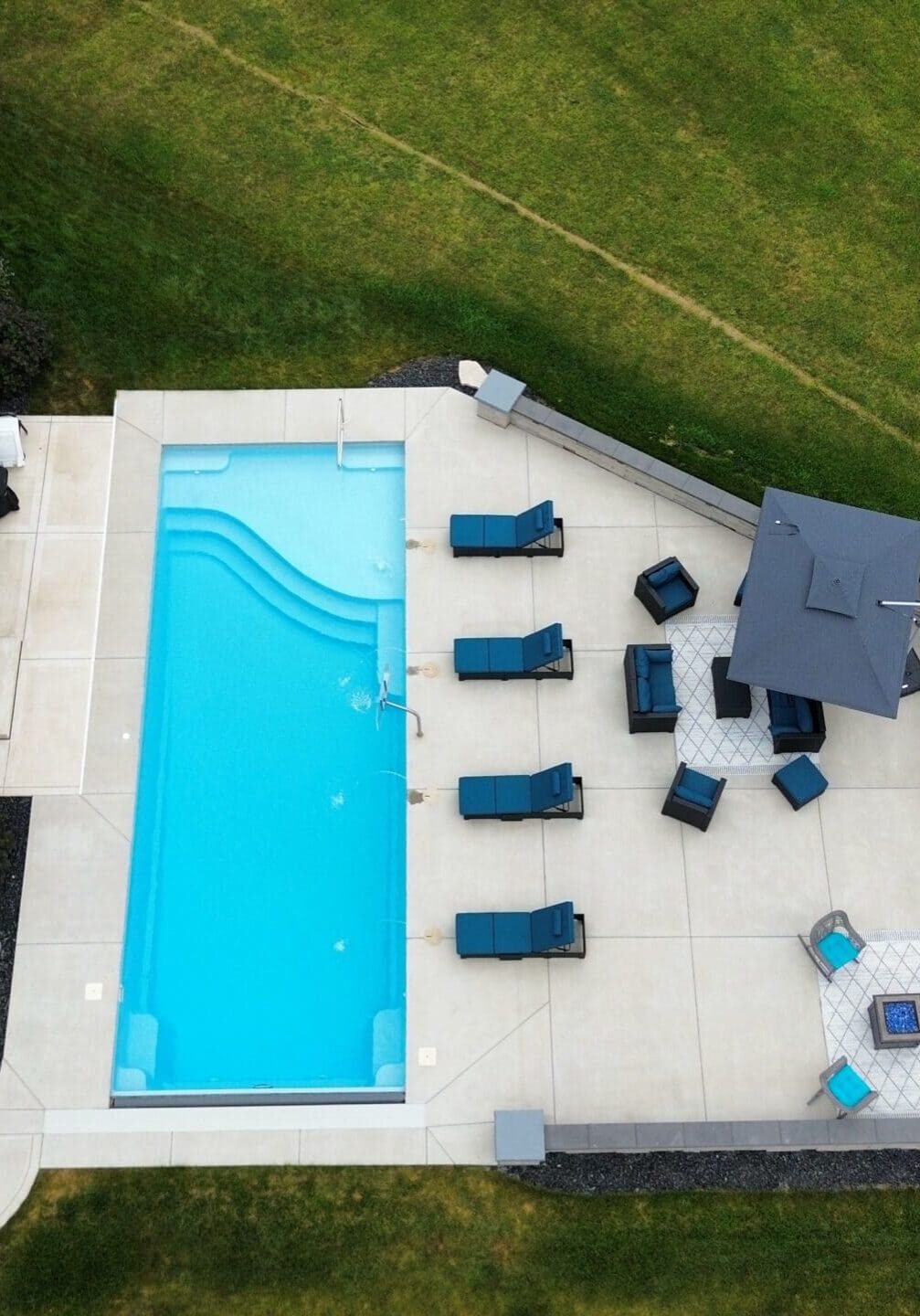
Do you love grilling or smoking food on summer evenings? Are you dreaming of a relaxing backyard oasis with a swimming pool and hot tub, complete with a concrete pool deck? Perhaps you’d like an ice bath area for recovery, a cozy firepit for cool nights, or maybe a dining space under a gazebo or pergola.
So many ideas! We understand, it can be hard to narrow it down. Your patio size and layout will help guide what’s possible. Rest assured, no matter the size, RPG2's design team will craft a unique backyard design and create a beautiful, functional space that fits your lifestyle and budget.
Maximizing Your Outdoor Space
Patio Size
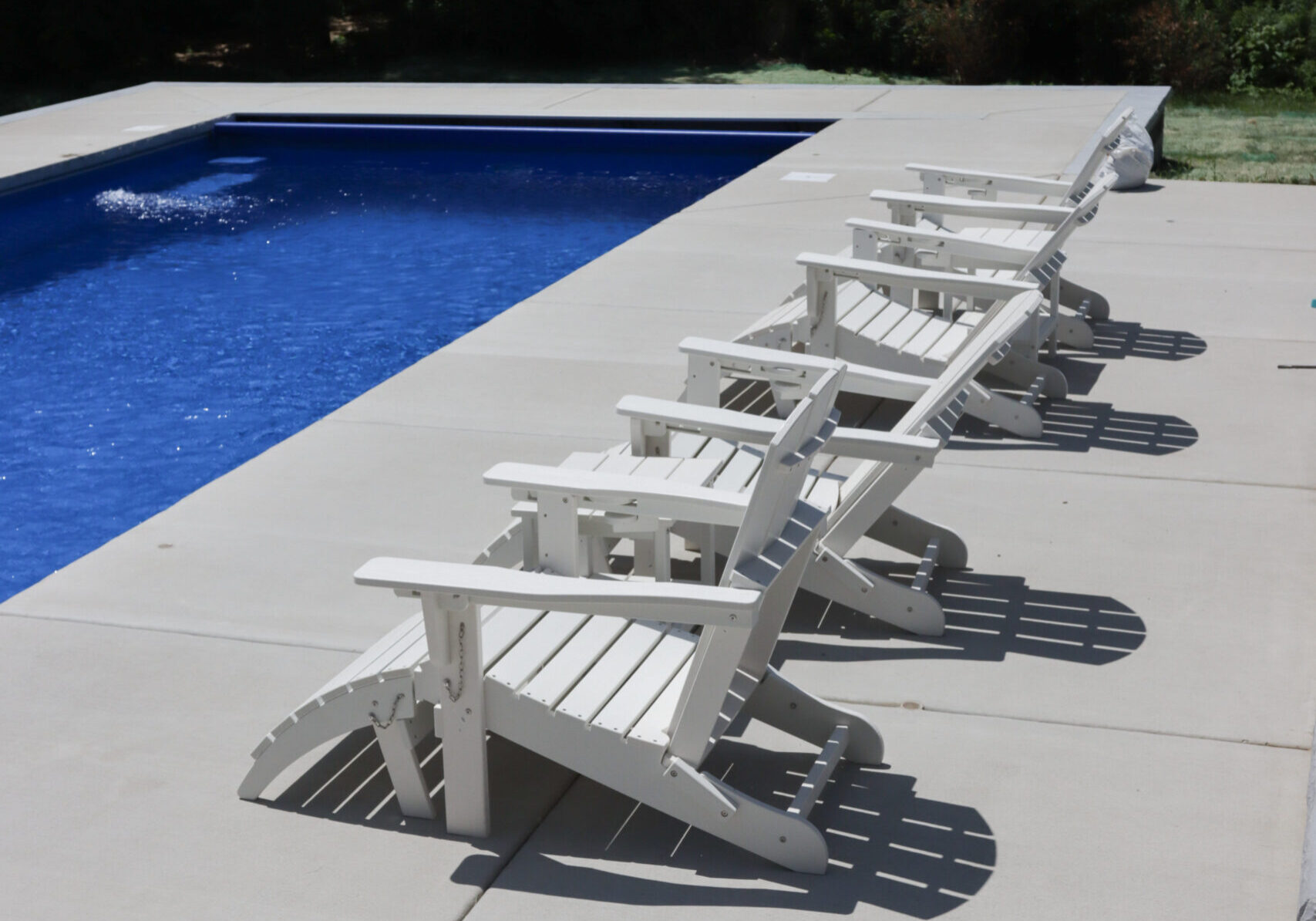
Determining how you plan to use your backyard is a vital factor when planning your patio. Say you plan to host larger groups of people and want to incorporate an outdoor kitchen, fire pit, or shade structure such as a pergola or gazebo. All of those features will need to be taken into consideration, as they will add to the overall cost of your backyard project.

Once you land on a size for your patio, the next step is to choose your patio materials. Concrete, stamped concrete, natural stone, or a manufactured concrete paver.
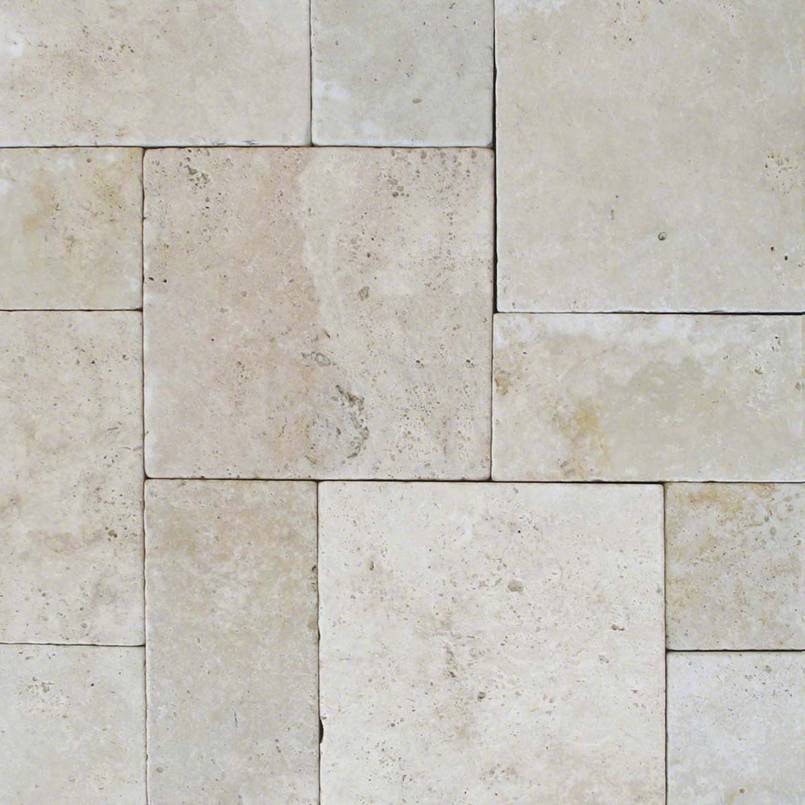
Do you want your patio to have a more natural look with the variation of natural stone paver patterns such as travertine, marble, or flagstone? Or do you like the more uniform look of concrete products that have a consistent look throughout your backyard?
Distance
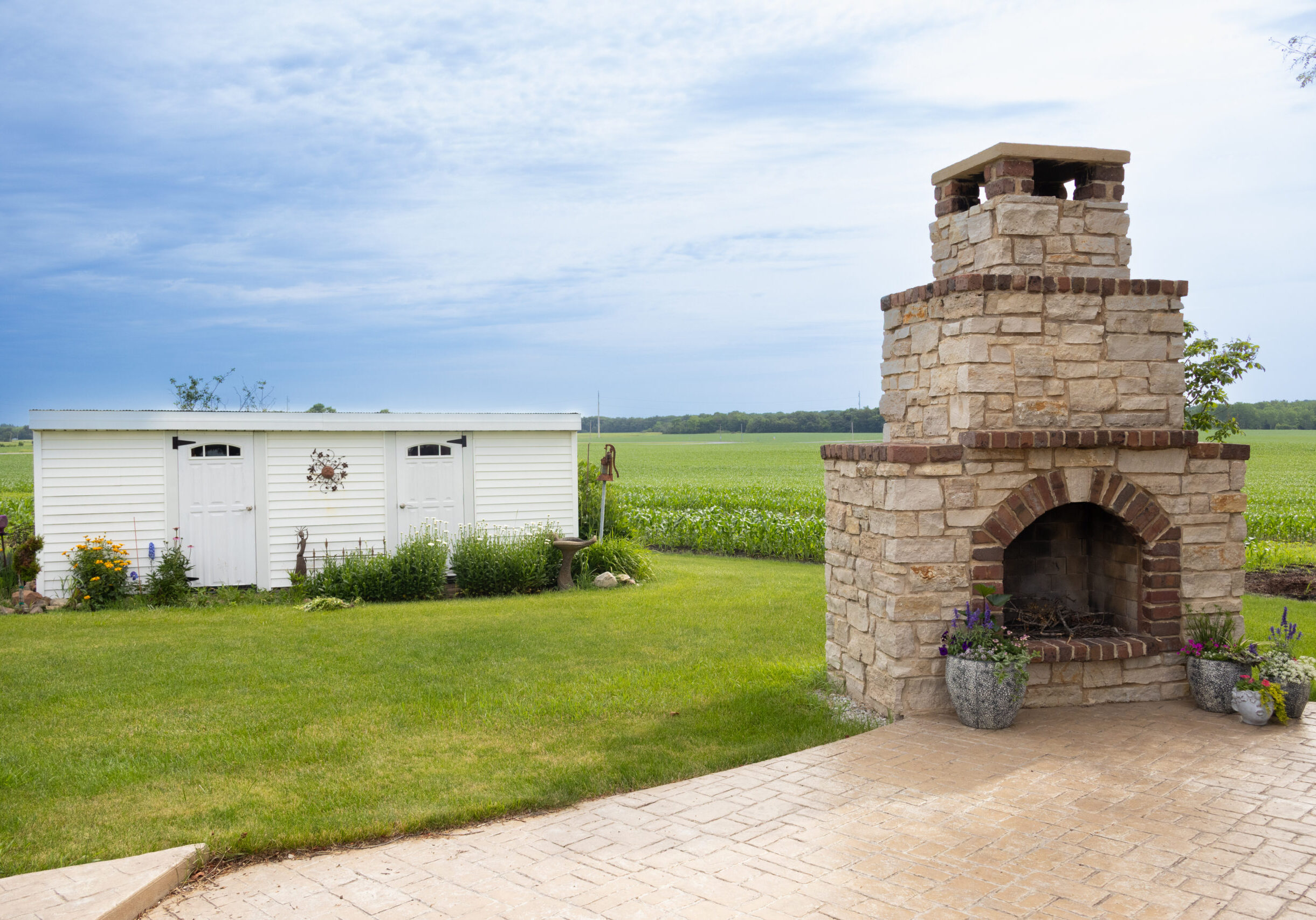
The space between your patio and the back door, as well as other areas of the backyard, will affect the overall functionality of your backyard design.

Distance of the grilling area to your backdoor. Maybe it’s not swimming season but you still want to grill some burgers or smoke a brisket. Are you incorporating an outdoor dining area? You will probably want the grill or outdoor kitchen area in between and that dining area but not close enough to bother you or your guests with unwanted smoke.

If a swimming pool is your goal, you may want that to be the focal point of your backyard. Think about what you will see from the main viewing area out of the back of your house. Maybe that’s a backdoor or a picture window.
Your outdoor design should reflect how you live and what you love to do. One of the biggest mistakes homeowners make when adding a swimming pool is focusing only on the pool itself and forgetting to plan the rest of their backyard. Too often, people just decide to “put a pool back there” without thinking about how they’ll actually use the space.
When designing your new outdoor area, take time to plan your patio layout, seating, and entertainment zones. Make sure you have enough room for everything you want—like a grill, firepit, lounge chairs, or dining area—even if you build your backyard in phases. A well-planned design now will save you time, money, and stress later while creating the backyard oasis you’ve always dreamed of.
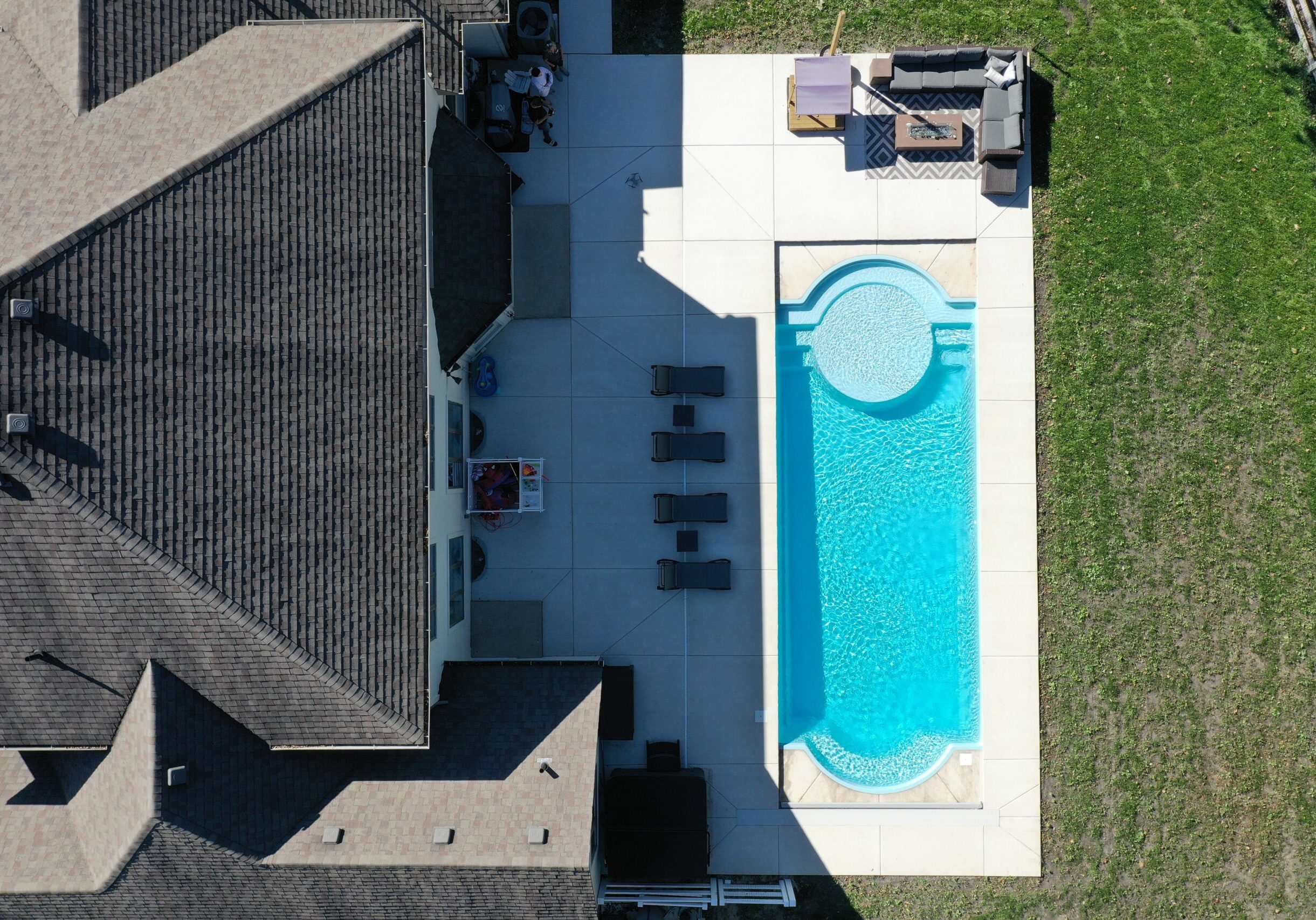
Standard Concrete
The most common of these options is standard concrete also known as broom finished concrete. We call this concrete “ole reliable” for a reason. This is the most common patio material choice for a few reasons that we will cover below. We will also go over a few of the disadvantages and common issues associated with standard concrete.
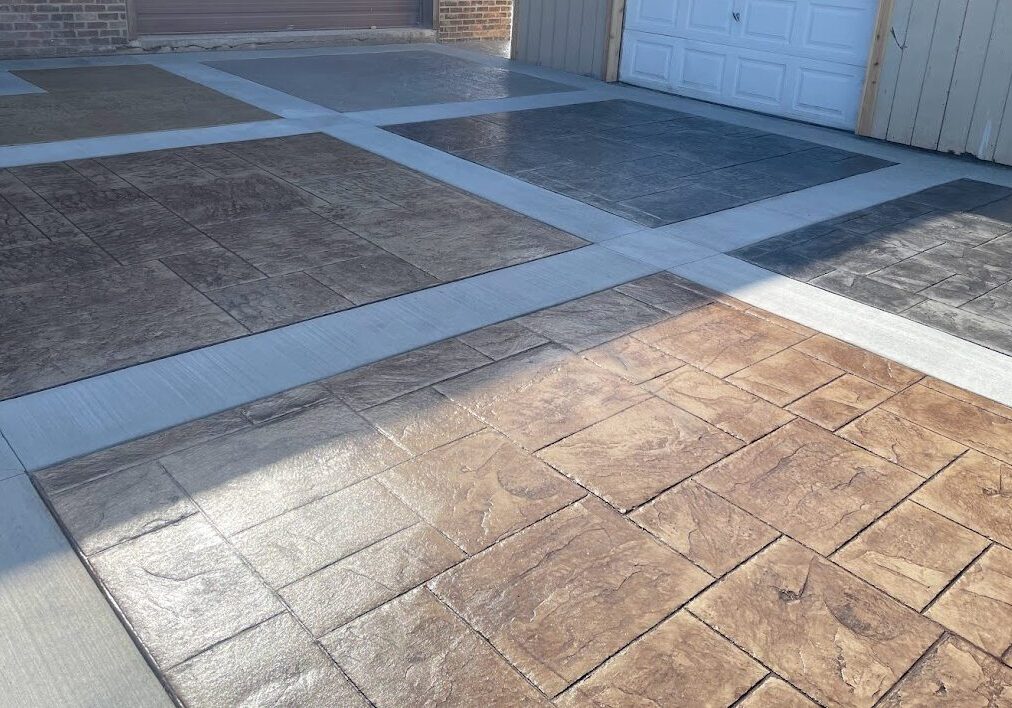
Stamped And Colored Concrete Patio
Stamped and colored concrete are great choices if you desire to add an aesthetic appeal to your outdoor design. This option typically costs less than pavers but more than brushed concrete. However, both stamped and colored concrete present their own unique challenges that include but are not limited to fading, cracking and maintenance requirements. Becoming knowledgeable about your patio can significantly extend the lifespan, appearance and performance of your investment. Below we will outline some of the advantages, disadvantages and common issues associated with stamped and colored concrete.
Concrete Cracking And Why
Concrete, while strong and durable, is not impervious to the environment and usage factors that can lead to cracking. By understanding the reasons behind concrete cracking and the role of control joints, you can ensure your patios, walkways, and driveways remain beautiful and functional for years to come. Remember, a little planning and knowledge can go a long way in preserving the integrity and aesthetics of your outdoor concrete spaces. Let’s talk about the reasons for cracking below.

Why Does Concrete Crack?
Drying Shrinkage
When concrete dries, it shrinks. This creates tension within the material, leading to cracks. The more water in the mix, the greater the shrinkage. Some concrete professionals recommend watering your concrete after installation to slow this process and guide the concrete through this process instead of setting it and forgetting it.
Heavy Loads
While concrete is robust, excessive loads, like heavy vehicles, can exceed its strength especially if the ground underneath is not prepared by a seasoned professional.
Temperature Fluctuations
Your concrete expands in heat and contracts in cold. In areas with significant temperature changes, this can lead to cracking over time.
Subsurface Movement
Changes or movement in the ground beneath the concrete, often due to poor soil conditions or extreme weather, can cause cracking.

Control Joints
Strategic Placement
Control joints are placed at pre planned intervals to control where the concrete cracks, ensuring that it doesn’t affect the overall appearance or structure. By pre planning where the concrete cracks you can be sure that when your concrete cracks it has effectively relieved the pressure that has caused the crack.
Aesthetic Integration
These joints can be incorporated into the design of your concrete surfaces, so they add to the visual appeal rather than detract from it.
Depth and Timing
Control joints are either cut into the concrete or tooled into the design at about a quarter of the slab's thickness and ideally made within the first 24 to 48 hours after the concrete is poured to be most effective.
Reducing Stress
By allowing your concrete to expand and contract, control joints reduce stress and should prevent uncontrolled cracking that can form on the face or working area of your new patio.
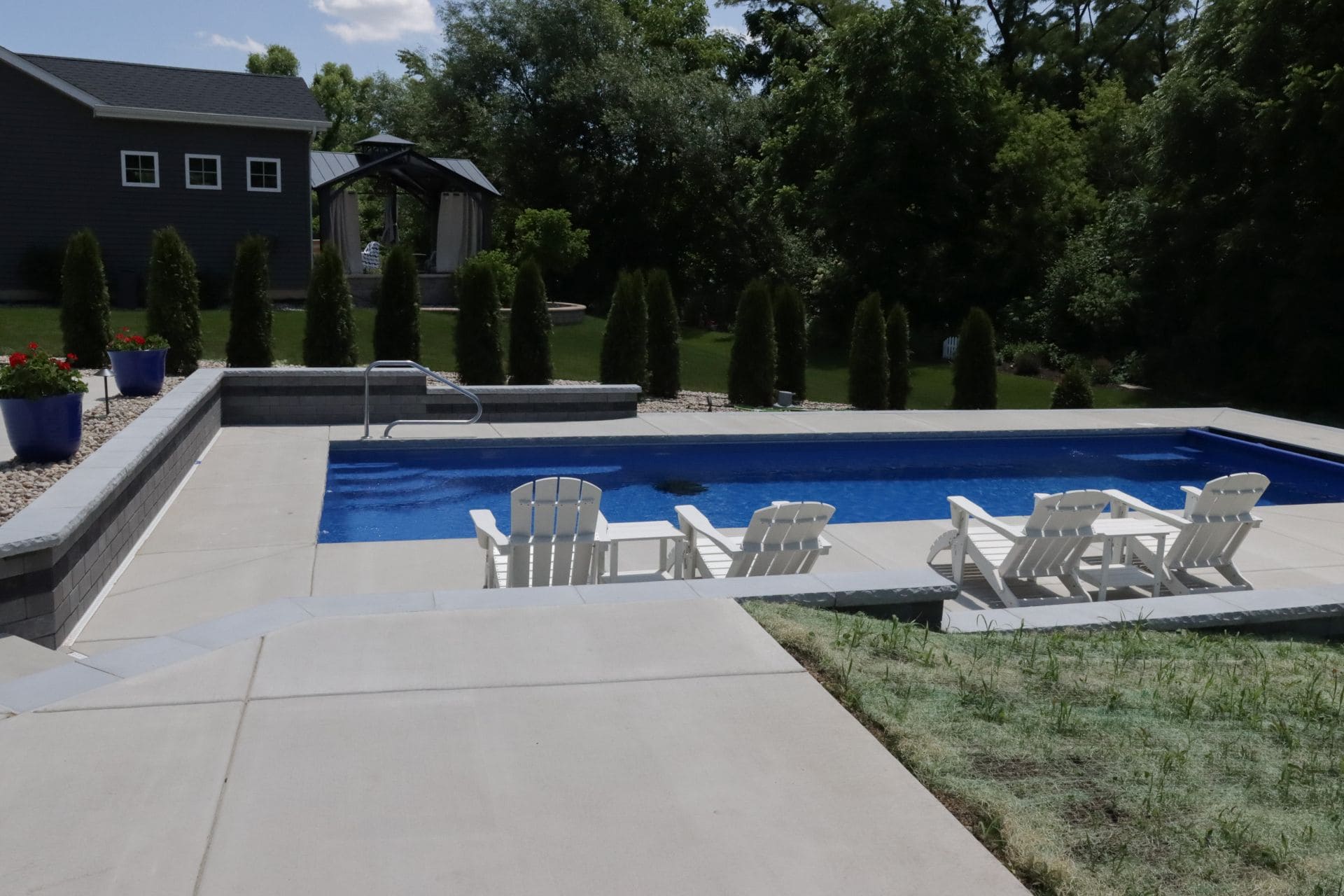
Concrete Tips
Choosing the Right Mix
For outdoor applications, select a concrete mix with the right balance of ingredients to minimize shrinkage. By hiring a seasoned concrete industry professional you can rest easy knowing they will pour the right mix for your patio effectively prolonging the life of your investment.
Proper Placement
Ensure control joints are placed by a professional who understands the layout and stress points of your concrete surfaces. Well thought out placements of your control joints will ensure maximum enjoyment of your concrete patio.
Regular Maintenance
Seal your concrete regularly to protect it from weather elements and inspect control joints to ensure they remain effective.
Embrace the Character
Small, controlled cracks are normal and can add character to your outdoor space. They do not usually signify structural problems.
Natural Stone Pavers
For homeowners looking to enhance their outdoor living spaces, natural stone pavers offer a blend of elegance, durability, and timeless beauty. When considering options for your patio, natural stone stands out as a premium choice, with its unique textures, colors, and enduring appeal. Here's why natural stone pavers could be the perfect addition to your patio.

The Allure of Natural Stone
Unique Aesthetics
Each stone paver is one of a kind with unique patterns, hues and textures. Whether it's the warm tons of sandstone, the elegant veining of marble, or the earthy look of slate, natural stone offers unmatched aesthetic appeal.
Durability and Longevity
Stone pavers are incredibly durable. They can withstand extreme weather conditions, heavy foot traffic, and the passage of time, making them a long-lasting option for patios.
Eco-Friendly Choice
Natural stone is an environmentally friendly option. It is extracted and processed with minimal chemical involvement and has a lower carbon footprint compared to manufactured paving materials.
Types of Natural Stone Pavers
Slate
Known for its slip-resistant texture and rich color variations, slate is ideal for creating an elegant and safe patio surface.
Limestone
Limestone is popular for its smooth finish and neutral color palette, making it a versatile choice for various patio styles.
Travertine
This stone is prized for its subtle yet sophisticated appearance. Travertine offers a range of colors from ivory to rich browns, and its naturally porous surface creates a non-slip texture. It’s particularly suited for a more elegant, classic patio setting.
Flagstone
Known for its rustic charm and irregular shapes, flagstone is ideal for creating a more natural, organic look. Its varied colors, from earthy reds and browns to cool blues and grays, allow for unique and interesting patio designs.
Sandstone
This type offers a warm and natural look, with colors ranging from creams to rich browns and reds, perfect for a cozy and inviting patio.
Marble
Though more luxurious, marble pavers provide a sophisticated and unique look with their distinctive veining and polished finish.
Granite
Renowned for its strength and scratch resistance, granite is a great choice for a high-traffic patio area.

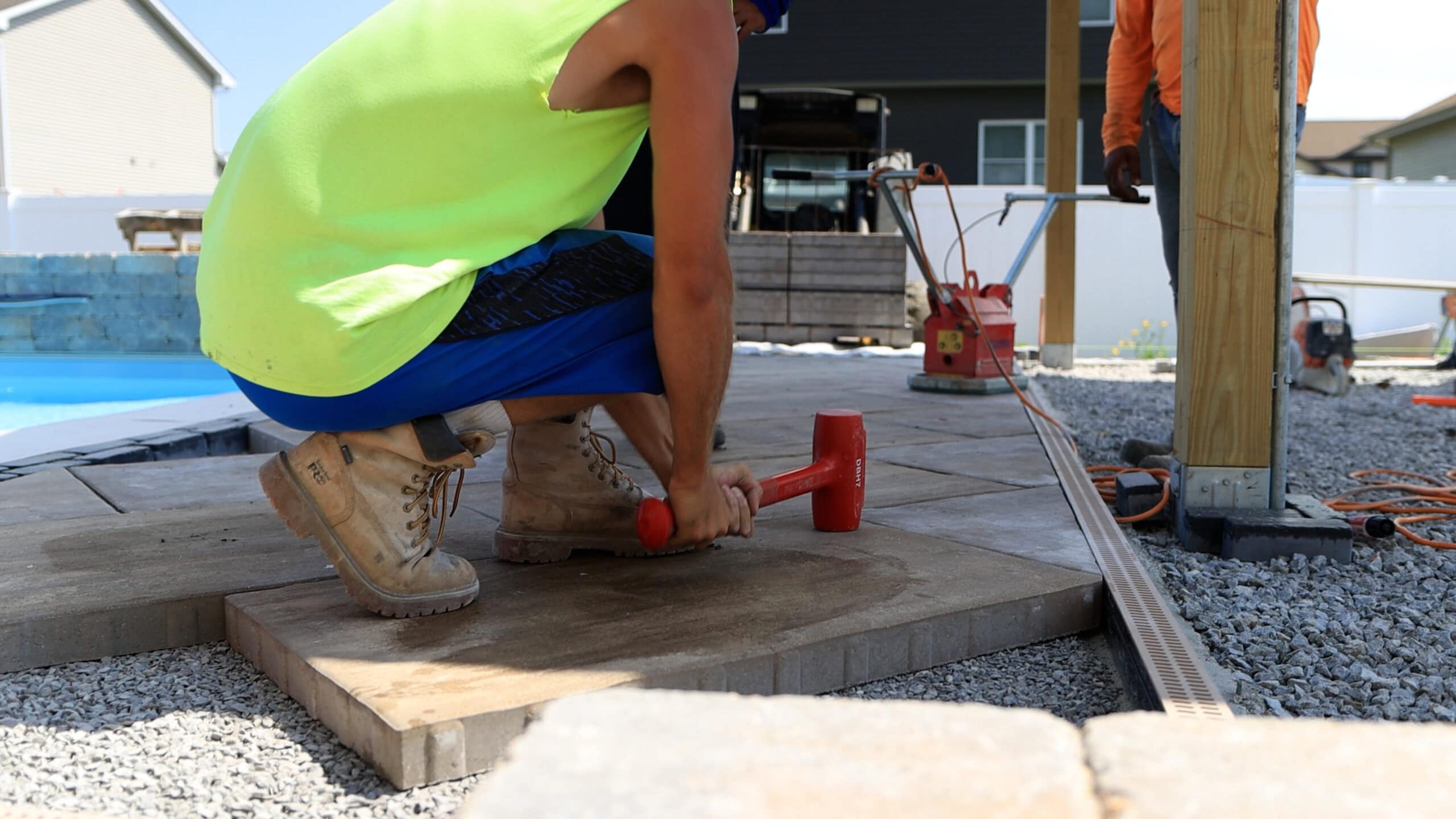
Installation and Maintenance
Professional Installation
Proper installation is key to the longevity of a stone patio. Hiring a professional ensures correct laying, drainage, and stability.
Sealing and Protection
While natural stone is durable, sealing it can protect against stains and weather damage, preserving its beauty for longer.
Regular Cleaning
Simple cleaning routines, such as sweeping and occasional washing with a mild detergent, help maintain the natural stone's appearance.
Considerations Before Choosing Natural Stone
Budget
Natural stone pavers are generally more expensive than other materials. It's important to consider your budget in the decision-making process.
Climate Suitability
Some stones are more porous and may not be suitable for very cold climates where freeze-thaw cycles occur.
Design Compatibility
Ensure the stone complements your home’s exterior and existing landscape design for a cohesive look.

Concrete Brick Pavers
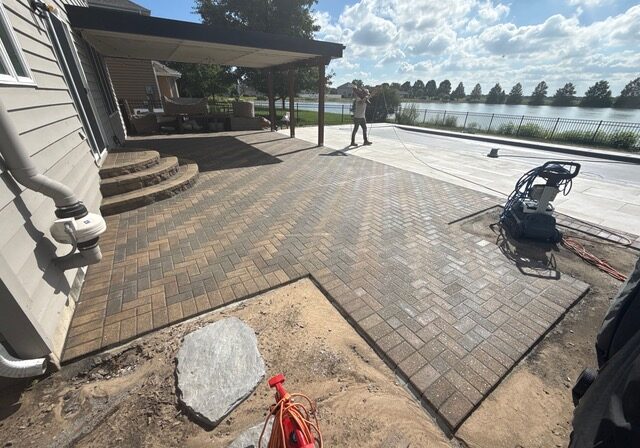
Concrete brick pavers are individual units made from concrete, shaped into various sizes and colors to resemble bricks. They are distinct from regular bricks, which are typically clay-based. These pavers are known for their durability and strength, making them suitable for a range of outdoor applications including patios, walkways and driveways. If you are exploring options for patio surfaces, concrete brick pavers present a practical, versatile, and aesthetically pleasing choice.
Unlike traditional plain concrete slabs, concrete pavers offer more in terms of design flexibility, ease of maintenance, and overall aesthetic appeal. While they come with an array of advantages you should also consider the potential higher costs associated with concrete pavers, associated materials needed for install, maintenance to prevent weed growth and the possibility of shifting and fading over time. Below we will delve into the advantages, disadvantages, common issues, installation and maintenance of concrete brick pavers.
Coping Options
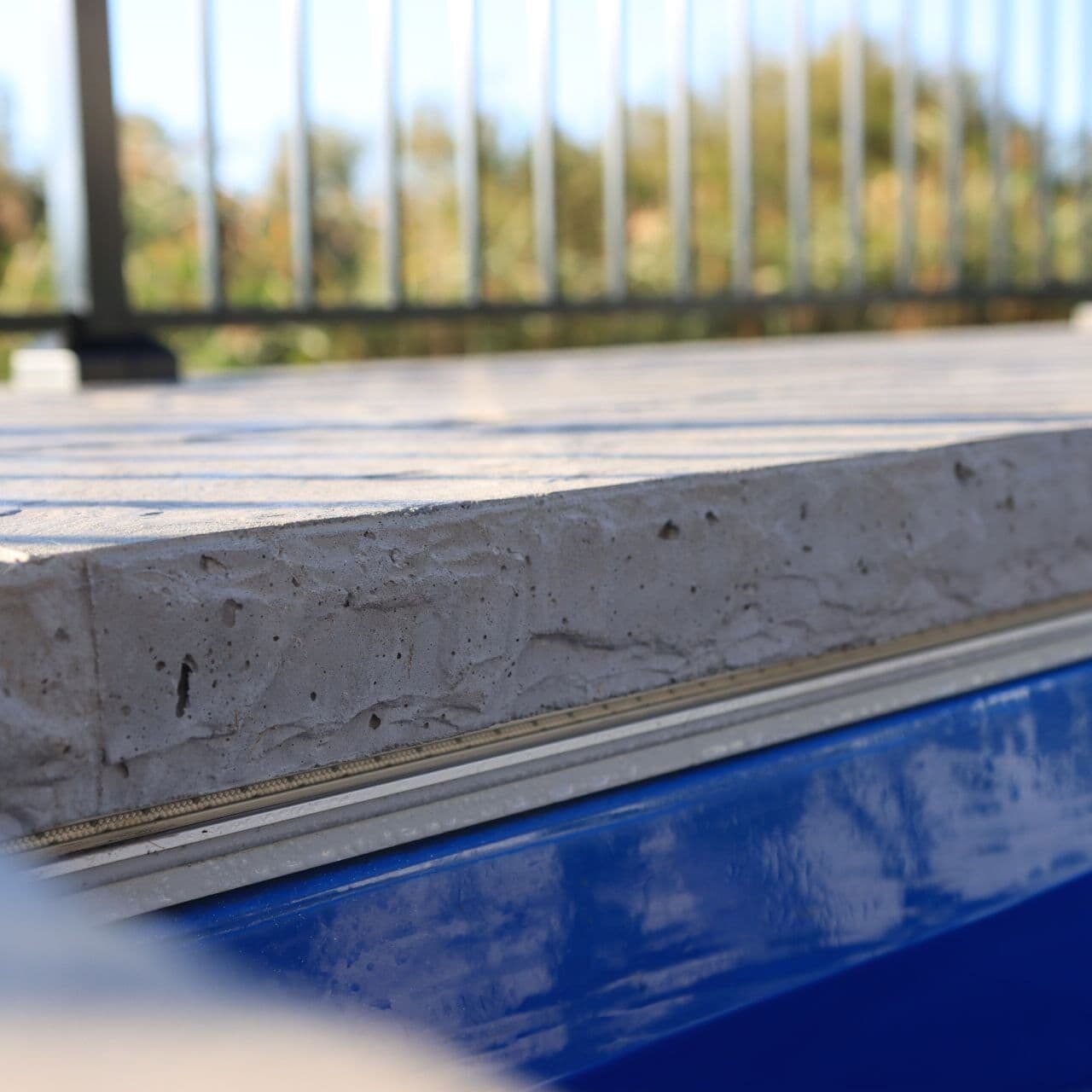
When comparing coping materials for swimming pools, it's essential to consider three popular choices: natural stone, poured concrete, and brick pavers. Each of these materials offers unique benefits and aesthetic qualities, and understanding their differences which we have outlined in the article above is key to making an informed decision. Additionally, while painted aluminum coping has been traditionally used, it is increasingly regarded as a less favorable option in modern pool designs.