
Five Problems With Pool Salt Chlorine Generators
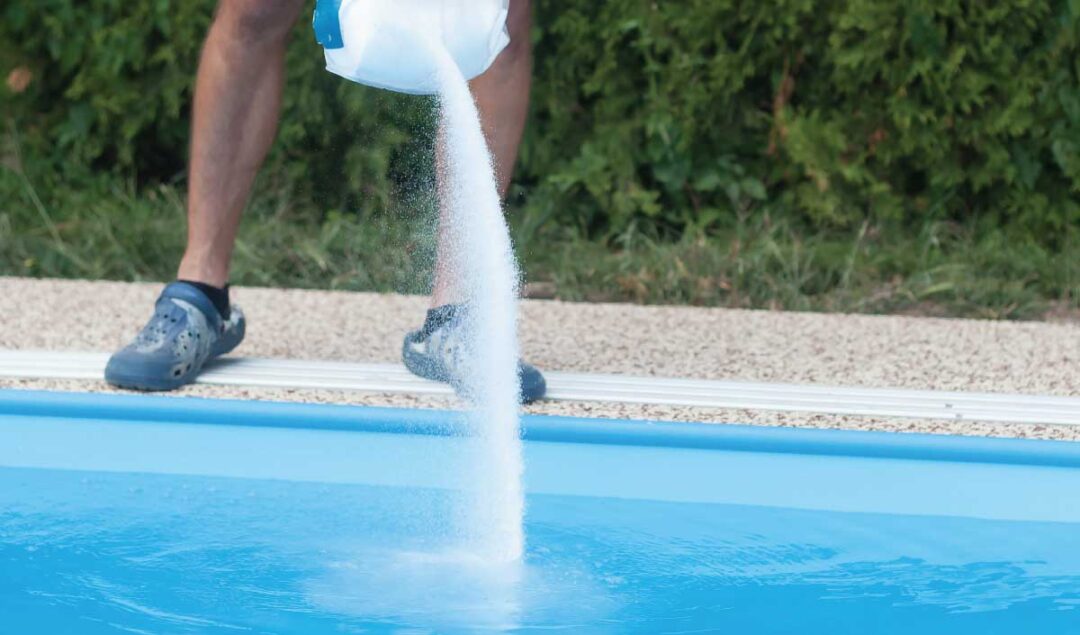
Saltwater pools have become increasingly popular for homeowners with inground pools. Many people prefer the softer feel of the water and the convenience of automated chlorine production. But while a saltwater pool can be a great option, it’s important to understand the realities that come with a salt chlorine generator.
Whether you own fiberglass pools, vinyl liner pools, or concrete pools, salt systems come with some long-term costs and maintenance requirements that many homeowners don’t expect.
Here are five common problems with pool salt cell generators, and what you should know before installing one.
What Is a Salt Chlorine Generator?
A salt chlorine generator is a device that transforms pool salt into liquid chlorine through a process called electrolysis. Instead of adding traditional chlorine tablets or shock, the system produces the exact amount of chlorine needed to sanitize your pool.
If you’re sitting there disappointed, thinking, “Wait a minute, I thought salt cell generators were a chlorine alternative!” That is a common misconception. The truth is, a “saltwater pool” is still a chlorine pool. However, salt is still one of the most popular pool sanitizers available.
Chlorine levels in a saltwater pool should be kept at 1-3 ppm, the same as traditionally chlorinated pools. A salt cell running on 100% will produce about a pound of chlorine in a pool in 24 hours. Not all pools in Northwest Indiana are run 24 hours a day, most are run 8-12 hours a day. Essentially, you’d be getting about half a pound of chlorine production a day.
About half of the salt cells on the market feature built-in automation systems through which you control the chlorine output, monitor the salt levels, and more.
Now that we’ve cleared that up, let’s dive into the problems or drawbacks of these nifty little machines.
1. Higher Upfront Cost
One of the biggest drawbacks of converting to a saltwater pool is the initial investment.
Typical upfront costs include:
- Salt chlorine generator system: $1,500 – $4,200+
- Installation and plumbing modifications
- Cost of pool salt
- Possible electrical upgrades
For homeowners installing new inground pools, a salt cell will drive the overall cost up. They also have to be replaced every several years (more on that later). While the system can reduce long-term chemical spending, the initial investment is higher than traditional chlorine systems.
This is especially important for budget-conscious projects involving vinyl liner pools or entry-level fiberglass installations.
2. Salt Cell Replacement
The salt cell is the heart of the system — and it does not last forever.
Most salt cells last:
5–7 years (sometimes less depending on usage and water balance)
Replacement costs typically range from:
$600 – $1,200+
Heavy use, improper water chemistry, or calcium buildup can shorten the lifespan even further. Over the life of your pool, these replacement costs add up and should be considered when comparing long-term operating costs.
3. Seasonal Cleanings Are Required

In regions like Northwest Indiana and South Chicagoland, you should examine and clean your salt chlorine generator every three months, or once a season.
After just a couple months of use, there will be some level of salt buildup in the cell you’ll have to take care of. If you don’t want to do it yourself, you can hire a local swimming pool service company to do so for you, adding to the lifetime cost of ownership.
Common maintenance includes:
- Inspecting the cell for scale buildup
- Acid washing the cell when calcium accumulates
- Winterizing the system properly during pool closing
- Reinstalling and recalibrating during spring opening
Even with a salt system, pool maintenance is not eliminated; it simply shifts to different tasks. When it comes to pools, most equipment and add-ons do require some maintenance. These are luxury products, guys! They require a little tender love and care.
4. Corrosion and Calcium Buildup
Saltwater is more conductive than traditional chlorinated water, which can increase the risk of corrosion over time, particularly if your equipment was poorly metallically bonded.
Potential problem areas include:
- Metal handrails and ladders
- Pump seals and equipment fittings
- Pool lights and niches
- Heater components
- Automatic cover metallic components
For concrete pools, salt exposure can contribute to surface deterioration if water chemistry is not properly maintained.
Salt systems also tend to produce calcium scaling, especially in areas with hard water, which is common in parts of the Midwest. This scale builds up inside the salt cell and must be cleaned regularly to prevent system failure.
5. Saltwater Pools Still Require Chemical Adjustments
One of the biggest misconceptions about salt systems is that they eliminate the need for chemicals.
In reality, saltwater pools still require regular testing and adjustment of:
- pH: 7.2 – 7.8 (7.2 – 7.4 in fiberglass pools)
- Alkalinity: 80 – 120 PPM
- Calcium hardness: 175 – 350 PPM (keep calcium below 120 in fiberglass pools)
- Stabilizer (CYA): 30 – 50 PPM
- Salt levels: Will vary depending on the system you go with. Typically, somewhere around 2,700 PPM – 3,400 PPM.
Saltwater systems often cause pH to rise more quickly, requiring frequent muriatic acid additions to maintain water balance.
This applies to all three types of inground pools. Without proper chemical balance, problems like scaling, liner damage, cloudy or green water, or equipment wear can occur.
Is a Saltwater System Right for Your Pool?
Despite these challenges, many homeowners still prefer salt systems for their convenience and softer water. A salt chlorine generator can be a great choice if you understand the long-term maintenance and costs.
Salt systems tend to work best for:
- Pool owners who prefer automated sanitation
- New inground pools with modern equipment
- Pool owners who want less maintenance than traditionally chlorinated pools require
- Anyone looking for a smoother swimming experience. The water is much softer on eyes and skin compared to traditionally chlorinated pools.
They may not be ideal for:
- Budget-sensitive projects
- Older equipment systems
- Pools with significant metal components
- Owners expecting a 100% “maintenance-free” operation
Salt Systems and Pool Type Considerations
Fiberglass Pools
Salt systems work well with fiberglass due to the non-porous surface, but proper water balance is critical to protecting the gelcoat and your equipment.
Vinyl Liner Pools
Saltwater pools are compatible with vinyl liners, but high chlorine levels or poor chemistry can shorten the lifespan of your liner. Steel walls behind your liner will degrade slowly over time in a traditionally chlorinated pool. In a saltwater pool, this degradation happens even faster, as steel does not like
Concrete Pools
Concrete surfaces are more vulnerable to salt-related damage or staining if water chemistry is not maintained properly. Over time, saltwater will erode the plaster surface of a concrete pool. When this happens, you will have to resurface the pool.
Conclusion
There you have it, folks!
Whether you’re building new fiberglass pools, maintaining existing vinyl liner pools, or considering upgrades for concrete pools, you should know the drawbacks of salt chlorine generators before you commit to purchasing one.
At Royal Pools G2 Landscaping, we help homeowners throughout Northwest Indiana and South Chicagoland choose the right sanitation system for their pool type, budget, and maintenance preferences. If you have an inground pool in this area, in towns like Valparaiso, St. John, Crown Point, Mokena, Frankfort, and Orland Park, and you’re thinking about purchasing or upgrading to a salt chlorine generator for this summer, check out the articles below. For more educational content on all things pools, concrete, and landscaping, dive into our learning hub at the top of the page. Have a great day!
Written by Logan Edgemon
What Is the Cost Of A Salt Chlorine Generator?
How To Maintain a Salt Water Pool
If keeping the water right is more work than you want, our weekly pool maintenance takes it off your hands.